
A Major Visa Change for Europe-Bound Travelers
If you’re in Pakistan or India planning to visit, study, work or join family in Italy, a big change is coming. Italy will begin rolling out a new Schengen e-visa system from Q2 2026, moving much of the application process online and introducing more automated biometric border checks.
The update promises simpler applications and faster airport entry in the future, but travelers may face a temporary adjustment period when the system first launches.
Italy’s New E-Visa Platform Explained
Italy’s upcoming system will combine short-stay Schengen visas and long-stay national visas into a single online application platform.
Instead of relying heavily on paperwork, applicants will gradually be able to:
- Complete visa forms online
- Upload supporting documents digitally
- Pay visa fees electronically
- Track application progress more easily
For now, most applicants will still need to visit consulates for biometrics like fingerprints and photos. Authorities are also testing facial-recognition identity checks for certain travellers, though this is still in pilot stages.
Also Read:
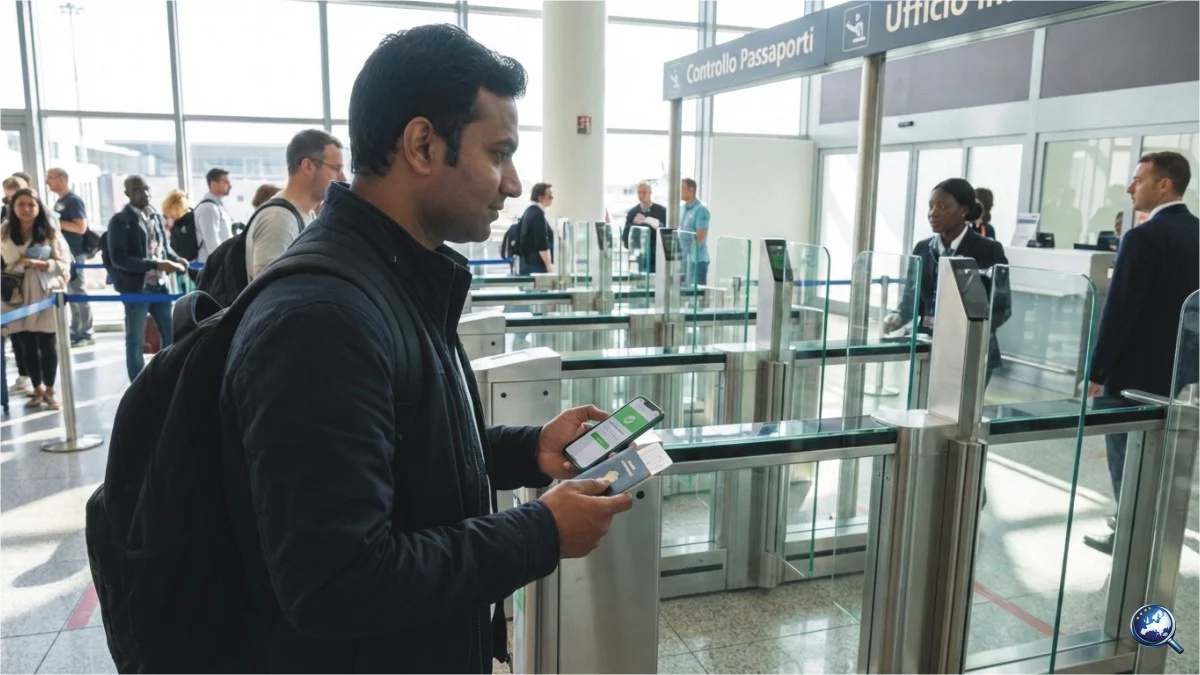
Automated Border Gates Expanding Across Italy
Alongside e-visas, Italy is expanding self-service biometric entry gates already operating at major airports like Rome and Milan.
These automated systems:
- Capture facial image and fingerprints
- Record digital entry and exit data
- Reduce reliance on manual passport stamping
- Speed up processing for repeat travellers
After the first biometric registration, future trips should become quicker and smoother.
Expect Some Confusion Early On
During the initial rollout in 2026, travellers may encounter a mix of old and new procedures.
Early challenges could include:
- Some consulates switching to e-visas before others
- Biometric appointment delays in peak travel seasons
- First-time applicants needing extra processing time
Officials say the long-term goal is shorter queues, less paperwork, and more predictable processing.
Why This Matters for South Asians
Travellers from Pakistan and India form a large share of Schengen visa applicants, especially students, tourists, and job seekers.
This change could mean:
- Simpler application process with fewer manual forms
- Potentially faster approvals once the system stabilizes
- Quicker airport clearance after biometric registration
- Easier tracking of visa status online
However, during the transition, applicants should:
- Apply earlier than usual
- Prepare documents carefully
- Check consulate instructions frequently
More details at Italy Visa
Europe Is Moving Toward Fully Digital Travel
Italy’s move reflects a broader European shift toward:
- Digital visa systems
- Automated border controls
- Electronic travel records replacing stamps
These steps are also linked to the EU’s upcoming Entry/Exit System and future travel authorization requirements, signalling a future where European travel becomes more digital, secure, and automated.
Bottom Line
Italy’s e-visa launch in 2026 won’t change travel overnight, but it marks an important step toward faster and more modern Schengen travel.
For travellers in Pakistan and India, the best strategy now is simple: stay informed, prepare early, and expect some transition delays at first.
Frequently Asked Questions
Do Pakistanis need a visa for Italy?
Yes. Pakistani citizens must apply for a Schengen visa or national visa before travelling to Italy for tourism, study, or work.
Do Indian citizens need a visa for Italy?
Yes. Indian passport holders also require a Schengen or long-stay Italian visa, depending on their purpose of travel.
What is Italy’s new e-visa system in 2026?
Italy plans to introduce an online visa application platform starting in 2026. Applicants will submit forms, upload documents, and pay fees digitally, though biometrics may still require a consulate visit initially.
Will the Italy e-visa make processing faster?
Yes. The digital system aims to reduce paperwork, improve tracking, and shorten waiting times, but early applicants may face temporary delays during rollout.
Will travellers still need biometrics for Italy visas?
Yes. Fingerprints and facial data will still be required, especially for first-time applicants, as part of Europe’s expanding biometric border system.
When should Pakistanis and Indians apply for Italy visas in 2026?
Travellers should apply 6–8 weeks before travel to avoid delays during the transition to the new e-visa system.
Our Top Stories





J. Maham is a specialized travel and immigration analyst with a focus on European work permits and South Asian’s mobility. With over 5 years of experience tracking global visa policy shifts, Maham provides verified, actionable insights for professionals seeking legal pathways to the EU and beyond.