
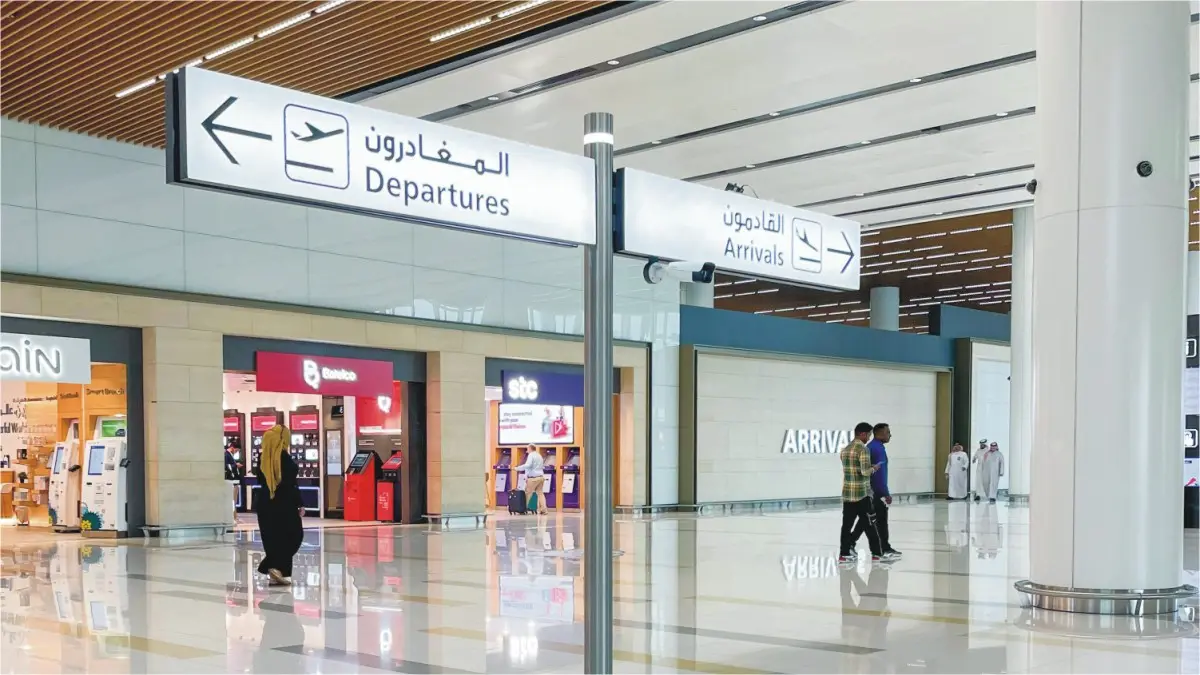
Qatar has officially suspended the Visa-on-Arrival for Pakistani Nationals effective immediately. This sudden policy shift comes as regional tensions in the Middle East reach a boiling point, specifically involving the conflict between Iran and Israel. Doha’s Ministry of Interior made the call to tighten border security to manage potential risks during this volatile period.
The decision has sent shockwaves through the travel industry. For years, Qatar was a top destination for Pakistani tourists and business travelers because of its easy entry rules. Now, those planning to visit must navigate a much more complex system before they even head to the airport.
The Breaking Change in Qatar Travel Rules
The suspension means that the old “walk-in” style of entry is gone for now. Previously, travelers from Pakistan could simply land at Hamad International Airport and get their passports stamped. It was a simple process that boosted tourism and family visits significantly.
Now, that convenience has vanished overnight. Travelers are being told they must apply for a visa in advance through official online portals. If you don’t have a pre-approved document, airlines won’t even let you board your flight in Karachi, Lahore, or Islamabad.
This isn’t just about paperwork; it’s about security. The Qatari government is worried that the escalating war between Iran and Israel could lead to regional instability. By ending the Visa-on-Arrival for Pakistani Nationals, Doha can better vet every single person entering the country.
Why the Middle East Conflict Changed Everything
Security analysts believe this move is a direct result of the shadow war turning into a direct conflict. Qatar sits in a sensitive geographic position. It hosts a major U.S. airbase but also maintains diplomatic channels with Iran.
The fear is that regional unrest could lead to a massive influx of people or security threats. By tightening the rules, Qatar is prioritizing its internal safety over tourism revenue. It’s a protective measure that many Gulf nations are currently considering.
Pakistan’s close ties with various regional players also put its citizens in a unique position. Qatar wants to ensure that its territory remains a neutral and safe ground. Unfortunately, this means stricter checks for everyone holding a Pakistani passport.
The New Process: How to Apply via Hayya
If you’re planning to visit Doha soon, don’t lose hope. You can still enter the country, but the “how” has changed. The Visa-on-Arrival for Pakistani Nationals is replaced by the Hayya platform requirements.
The Hayya portal was originally built for the FIFA World Cup. Now, it’s the primary gateway for tourists. You’ll need to create an account, upload your passport details, and provide proof of accommodation.
It’s also mandatory to have valid health insurance from a provider registered in Qatar. Without this insurance, your application will likely be rejected. The cost is usually around 50 Qatari Riyals, but it’s a non-negotiable part of the new process.
Impact on Families and the Labor Market
This change doesn’t just hit tourists; it hits families hard. Many Pakistanis living in Doha rely on the on-arrival system to bring their parents or siblings for short visits. Now, those families have to wait days or weeks for visa approvals.
The labor market might also see a slowdown. While work visas are different, many business consultants used the on-arrival route to attend meetings. Now, the extra layer of bureaucracy makes quick business trips nearly impossible.
Travel agents in Pakistan are reporting a surge in calls. Many travelers had already booked non-refundable tickets and hotel stays. They’re now scrambling to get their digital visas before their departure dates.
Understanding the Suspension of Visa-on-Arrival for Pakistani Nationals
It’s vital to know that this isn’t a “ban” on Pakistanis. It is a change in the entry method. You’re still welcome in Qatar, but you can’t just show up and expect entry.
The suspension is described as a temporary measure by most insiders. However, “temporary” in the world of geopolitics can last for months or even years. It all depends on how the situation between Iran and Israel evolves in the coming weeks.
If the conflict cools down, Qatar might restore the old rules. But for now, the government is playing it safe. They want to know exactly who is coming in and where they are staying.
Airlines Issue Urgent Advisories
Major carriers like Qatar Airways and Pakistan International Airlines (PIA) have updated their manuals. They’re checking for Hayya approvals at the check-in counters. If you show up with just your passport, you’ll be turned away.
This has led to chaotic scenes at some airports. Some travelers weren’t aware of the news and found out at the gate. It’s a tough lesson in how quickly travel rules can change in a world of conflict.
Always check with your airline 48 hours before you fly. They have the most up-to-date lists of what documents are required. Don’t rely on what worked for you six months ago.
The Role of Health Insurance and Hotel Bookings
One of the biggest hurdles in the new system is the “confirmed accommodation” rule. In the past, you could sometimes stay with friends without much hassle. Now, the digital system often requires a “Discover Qatar” hotel booking.
This is a specific platform used by the government to track tourism. It ensures that visitors are staying in regulated facilities. While it adds to the cost of the trip, it’s currently the only way to guarantee a visa.
Don’t forget the health insurance requirement. It must be a Qatari-approved policy. You can buy it online through the Ministry of Public Health website. It covers emergency services while you’re in the country.
How This Affects the Broader Region
Qatar isn’t the only country looking at its borders. The entire GCC (Gulf Cooperation Council) is on high alert. When one country changes its rules, others often follow suit to prevent “visa hopping.”
Pakistani nationals should keep an eye on travel advisories for the UAE and Saudi Arabia as well. While their rules haven’t changed yet, the regional tension affects everyone. It’s a time of extreme caution for travelers across Asia.
The “Golden Era” of easy travel in the Gulf is facing a significant challenge. Security is now the top priority for these wealthy nations. Tourism, while important, has taken a backseat to national defense.
What This Means for the Future of Travel
The end of the Visa-on-Arrival for Pakistani Nationals might be a sign of things to come. Digital visas are becoming the global standard. They allow governments to pre-screen visitors using AI and security databases.
While it feels like a step backward, it might lead to faster processing at the airport once you arrive. Since you’re already “cleared” by the Hayya system, the physical line at immigration should move faster.
However, the cost of travel is definitely going up. Between visa fees, mandatory insurance, and hotel booking requirements, a “cheap” trip to Doha is a thing of the past. Travelers need to budget an extra $100 to $200 just for entry requirements.
Tips for a Successful Qatar Visa Application
If you’re applying now, make sure your passport has at least six months of validity. This is a common reason for rejection. Also, ensure your digital photo meets the strict Hayya specifications.
Double-check your flight dates before submitting. The visa is often tied to your arrival and departure dates. If you change your flight, you might need to update your visa information.
Be patient with the online portals. With thousands of people suddenly switching to the Hayya system, the servers can be slow. It’s best to apply at least two weeks before your intended travel date.
The Geopolitical Ripple Effect
Pakistan has a complex relationship with the Middle East. It provides a huge amount of labor to the region, which is vital for the Pakistani economy. Any change in visa rules can affect the flow of remittances back home.
If the Visa-on-Arrival for Pakistani Nationals remains suspended for long, it could hurt the economic ties between the two nations. Doha and Islamabad have historically been close, so many hope for a diplomatic solution soon.
For now, the focus is entirely on the Iran-Israel tension. Until that situation stabilizes, travel will likely remain difficult. Security experts are watching the skies and the borders very closely.
Is There a Silver Lining?
While the news is mostly negative for travelers, the Hayya system is quite robust. Once you have the app on your phone, it serves as your entry permit, your bus pass, and your guide. It’s a very modern way to travel.
The system also helps prevent people from being scammed by “fake” visa agents. Since you apply directly through the government portal, you know your visa is legitimate. This protects vulnerable travelers from losing money to fraud.
Furthermore, Qatar is still committed to hosting international events. They want visitors; they just want to be sure about who those visitors are. If you follow the rules, you can still enjoy the world-class museums and beaches of Doha.
Conclusion: Navigating the New Reality
The world of travel is changing, and the situation in Qatar is a perfect example. The suspension of the Visa-on-Arrival for Pakistani Nationals is a response to a world that feels increasingly unsafe.
For the Pakistani traveler, the message is clear: plan ahead. The days of last-minute flights to Doha are on hold. But with a bit of patience and the right paperwork, the gates of Qatar are still open.
Stay informed by checking official government websites and reputable news sources. Rules can change in a matter of hours when a conflict is involved. Being prepared is the only way to ensure your travel plans don’t fall apart at the airport.

Having 16 years of experience about Immigration, Visit Visa, Work Visa, Study Visa and Careers in Europe. We keep our eyes open and bring the latest and accurate content for our readers.