
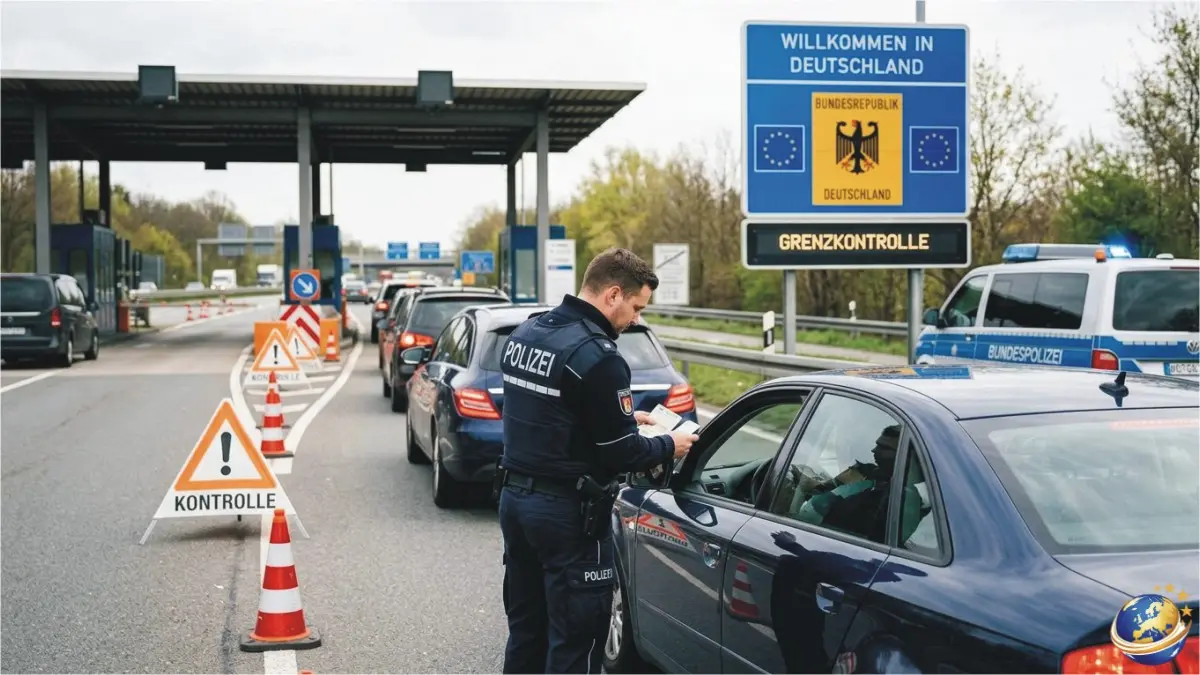
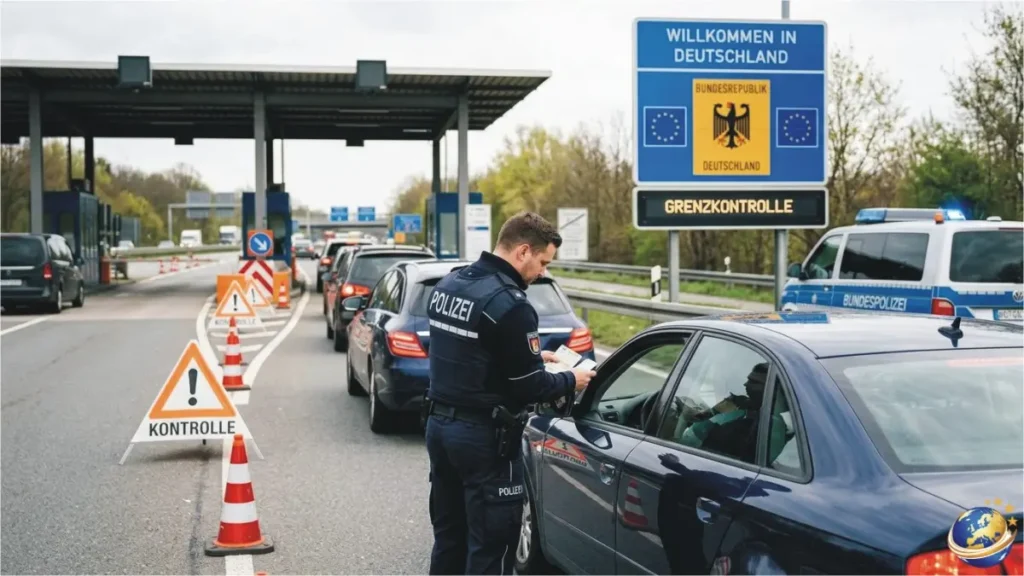
Updated: March 16, 2026 – Germany’s Federal Ministry of the Interior officially extended temporary land border controls today, March 15, 2026, but not for all the neighboring countries.
Travelers got some good news today. At midnight, Germany stopped the regular police checks on the borders with France and Switzerland. Now, cars, buses, and trains can cross these borders more quickly.
However, the rules are not the same everywhere. Germany will keep checks for people coming from Austria, Poland and the Czech Republic until September 15, 2026. The government says these checks are still needed to keep the country safe.
If you are traveling, remember these important tips:
- Bring the real ID: You must have your original passport or ID card. A photo or a PDF on your phone is not enough. The police want to see the real plastic or paper document.
- Allow extra time: Even if some checks are gone, you should still plan for a 30 to 45-minute delay. The police can still stop cars near the border to look at documents.
This change is a big relief for thousands of people who cross the border for work every day. For now, the western and southern borders are open and easy to use again.

J. Maham is a specialized travel and immigration analyst with a focus on European work permits and South Asian’s mobility. With over 5 years of experience tracking global visa policy shifts, Maham provides verified, actionable insights for professionals seeking legal pathways to the EU and beyond.