
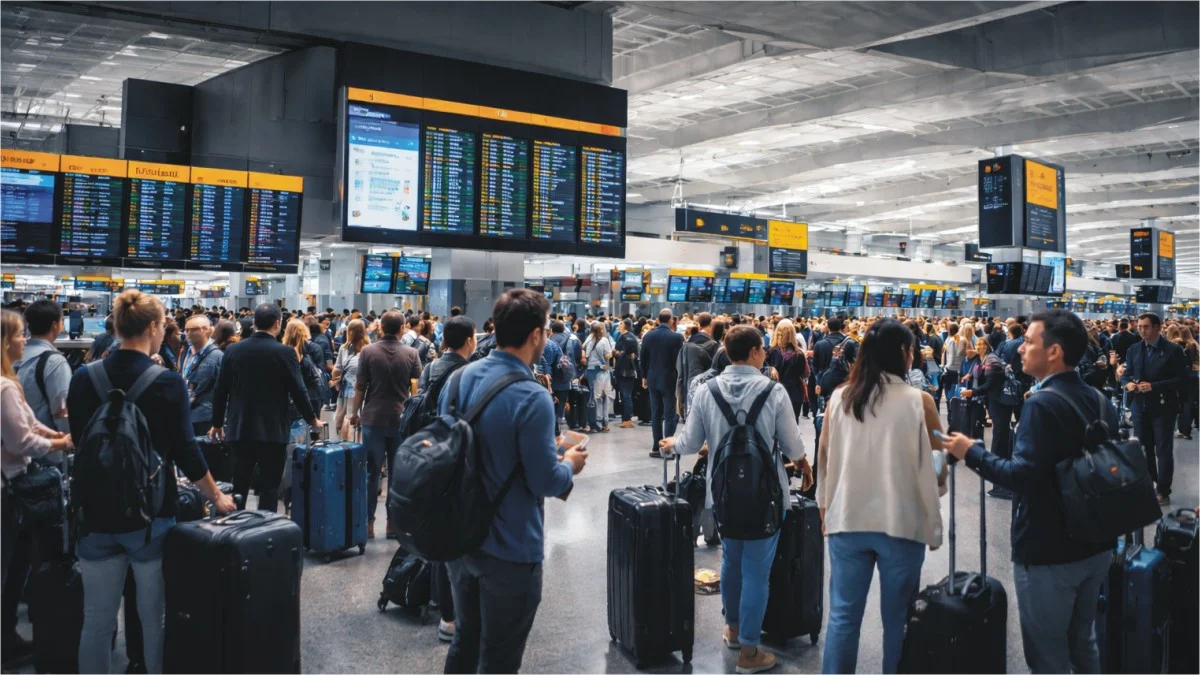
Today, the United Kingdom confirms a hard shift at its border. From February 25, 2026, entry without prior digital clearance will no longer be allowed for short term visitors who do not need a visa. Airlines and transport firms will block travel before departure if permission is missing.
Why This Matters
85 nationalities are affected, including the United States, Canada, and France.
The change reaches beyond tourism. It reshapes airline checks, transit flows, and border control.
The UK moves closer to a contactless border, aligning with global security systems.
What Changed This Week
The Home Office confirmed full enforcement of the Electronic Travel Authorisation system. The system moves from a soft rollout to strict checks at the point of travel. Carriers now carry legal responsibility to screen passengers before boarding.
Officials frame the move as a system upgrade, not a travel program. Digital clearance becomes the baseline for entry, alongside existing visas and eVisas.
Scale and System Impact
Since its launch in October 2023, more than 13.3 million people have passed through the digital screen. From late February, that number expands sharply as enforcement reaches all eligible visitors, including EU citizens.
The impact spreads across:
- Airlines adjusting pre departure checks.
- Airports managing smoother but stricter passenger flows.
- Border Force shifting work away from desks toward data led screening.
Transit passengers who pass through UK passport control are included. The policy reaches beyond holidays and business trips into the structure of global aviation.
Government View
UK Migration and Citizenship Minister Mike Tapp said the system gives authorities a clearer view of who arrives and who should be stopped before travel. He described the change as a security upgrade that also reduces friction at the border once checks are cleared.
Officials point to similar systems already enforced by the United States and Canada. The UK now joins that group with full carrier backed enforcement.
Global Pattern
The UK move reflects a wider shift in 2026. Governments are pushing checks outward, away from physical borders and into digital systems tied to passports and carriers.
Europe is preparing expanded digital screening through ETIAS. Asia Pacific states already run similar models. The common aim is control at scale, before arrival, not after.
Analysis
“This is about capacity and data, not tourism,” said a European border systems analyst. “States want to know more earlier. Airlines become part of enforcement. Borders start long before the runway.”
Check Out


J. Maham is a specialized travel and immigration analyst with a focus on European work permits and South Asian’s mobility. With over 5 years of experience tracking global visa policy shifts, Maham provides verified, actionable insights for professionals seeking legal pathways to the EU and beyond.