
33,500 Pakistanis Were Sent Back from 3 Countries — Here’s Why It Matters
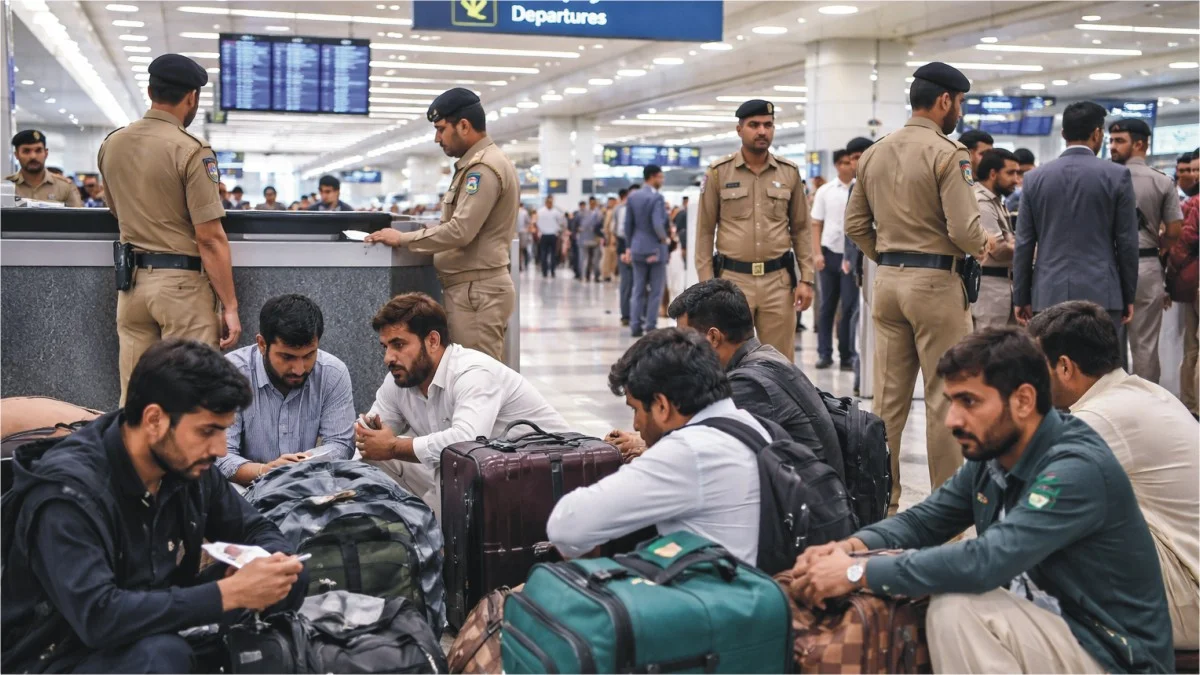
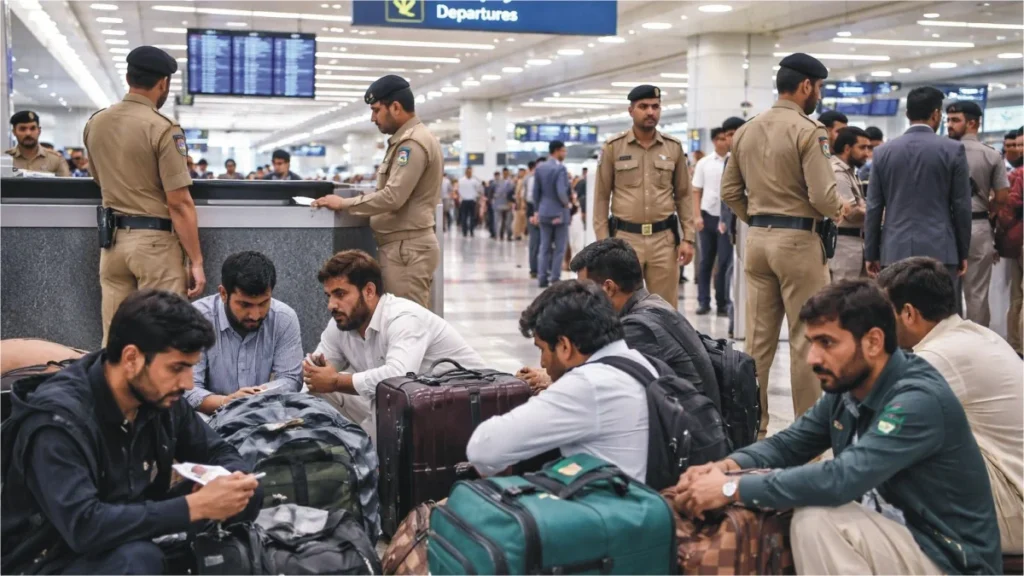
If you plan to work in the Gulf or travel for short-term jobs, this update affects you directly. In the past 12 months, three countries deported 33,500 Pakistani nationals. Most cases involved visa violations and legal breaches.
The highest numbers came from Saudi Arabia, followed by the United Arab Emirates and Azerbaijan.
Deportation Numbers by Country
- Saudi Arabia – 25,000 Pakistanis deported
- United Arab Emirates – 6,000 deported
- Azerbaijan – 2,500 deported
These three countries alone account for the largest known removals of Pakistanis in the last year.
Why Deportations Happened
Officials cited multiple legal and administrative reasons. The most common included:
- Absconding from employers
- Overstaying visas
- Illegal entry
- Imprisonment cases
- Lost or invalid passports
- Blacklisting
- Involvement in illegal activities
- Begging and other public order violations
In many cases, Pakistani nationals entered Azerbaijan, Saudi Arabia and UAE legally on visit/tourist visas but later caught begging. Gulf countries enforce strict public safety rules. Once flagged, deportation can be swift.
Why This Matters for South Asians
For workers from Pakistan and India, Gulf jobs remain a major income source. Millions depend on employment in Saudi Arabia and the United Arab Emirates. Where as, Azerbaijan is an “Easy Visa” destination for everyone.
A deportation does more than end of a trip. It often leads to:
- Travel bans for several years
- Permanent blacklisting
- Loss of unpaid wages
- High repatriation costs
- Damage to future visa applications in other countries
European visa officers also review travel history. A deportation record can raise red flags in future Schengen or UK visa applications.
System Strain in the Gulf Labor Model
The highest pressure appears in Saudi Arabia, where 25,000 deportations signal tighter enforcement. Gulf economies are increasing digital tracking of residency permits and employer sponsorship compliance.
The United Arab Emirates has also intensified checks on visa overstays and informal sector work.
With growing scrutiny, informal migration routes are facing higher risk.
What’s Coming
Expect stricter compliance checks in Gulf countries in 2026. Digital immigration systems are expanding. Cross-border data sharing is increasing.
For South Asians, documentation accuracy, employer compliance and following basic public safety rules are becoming non-negotiable factors in overseas travel.
Our Top Stories




M. Arshad is a Senior Correspondent specializing in EU-South Asian migration policy and international labor corridors, with over 12 years of experience reporting on bilateral trade agreements.